

You want to feel stronger, look after your health, or feel more comfortable in your clothes. Then you walk into the gym and face a row of machines you do not know how to use. Even with a saved workout on your phone, it can be hard to tell where to start, which weight to choose, or whether you are doing the movement correctly.
Your first month is a chance to replace that uncertainty with a routine you understand. This guide explains the basic terms, what to expect at a session, and how to recognize progress while you learn. The coaching examples are educational frameworks, not individualized exercise prescriptions. Use them to prepare the questions you want answered before choosing your own starting routine.
Your health, experience, and current ability affect what is appropriate. Share relevant conditions, symptoms, recent procedures, and clinical restrictions with the qualified professional helping you. If an exercise or equipment setup is unfamiliar, get instruction before adding difficulty. A clear starting point is more useful than a dramatic first workout.
1. Start with one reason and two realistic appointment windows
A broad goal such as getting fitter can motivate you to look for a gym, but it does not tell you what a useful first month would look like. Try naming the particular change you want. You might want to learn the weights, establish a routine, feel more capable carrying everyday items, or stop feeling uncertain every time you try to exercise.
Write that reason in ordinary language. “I want to know how to follow a basic strength workout” is a perfectly good goal. You do not need to choose a transformation target or performance milestone to justify learning. The first month can be valuable because it gives you a routine you understand and can repeat.
Next, look at your calendar. Identify appointment windows that exist in a normal week, including the time needed to travel, prepare, and return to your next commitment. A plan built around an imaginary quiet week will be difficult to use once ordinary responsibilities return.
Choose a main time and a backup. For example, you might usually attend on Tuesday and Friday mornings, with a different window available when one day changes. The exact days are not important. The useful feature is that you have considered the practical arrangement before the day becomes crowded.
The CDC’s general adult guidance includes muscle-strengthening activity on at least two days weekly. That is a broad public-health recommendation rather than a personalized program or a requirement to buy a particular package. Read the adult activity overview.
If you are hiring a trainer, explain how much support you want. You may need help learning equipment, understanding exercise technique, or making the schedule happen. These are different needs, and the conversation should connect the service to the reason you are seeking it.
Do not wait until you feel fit enough to ask for instruction. Learning is what the instruction is for. At the same time, be honest about any concern that could affect exercise choices. Accurate information helps a coach decide how to begin and whether another professional’s input is needed.
A useful preparation note can contain four lines: why you want to start, what you have tried before, the times you can attend, and the questions you want answered. Keep it short enough to bring into the conversation. You can add detail later as the plan becomes clearer.
The first decision is not which advanced training split to follow. It is how to create a manageable opportunity to learn. Once that opportunity has a place in your week, the exercise choices have a practical setting in which to work.

2. Learn the small amount of language you actually need
You can begin without learning every term used in a gym. A few basic words will help you read instructions and ask useful questions. The aim is understanding, not proving that you belong by using technical vocabulary.
A repetition, often shortened to rep, is one complete performance of a movement. A set is a group of repetitions before a rest or transition. Resistance is the load or difficulty you are working against. It can come from a weight, a machine, a band, or your own body position.
A repetition range gives you a lower and upper number rather than one fixed target. Your coach should explain how to use it. You should also understand what should stop the set, such as reaching the planned range, losing the intended control, or experiencing pain or a concerning symptom.
A warm-up is preparation for the work ahead. It may include easy activity and lighter practice of the movements planned. It is not simply a ritual that must look identical for every person. Ask how your preparation connects to the session and what to do if you feel different from usual.
Rest is the time used to recover before continuing. It is part of the training plan. You do not need to apologize for using it or fill every pause with another exercise. If the planned rest does not feel sufficient to continue with control, tell the coach.
Progression means changing the challenge over time. That might involve resistance, repetitions, range, or another variable. It does not mean making every visit harder in every possible way. A beginner may first progress by understanding setup and practicing a movement more confidently.
A variation is a different version of an exercise. A wall push-up and a raised-surface push-up are related movements with different setups. An alternative is another option that may serve a useful purpose when the original does not fit your ability or equipment. Ask why the choice is being made rather than assuming every version is interchangeable.
Here is a compact reference:
Swipe to explore the table ↔
| Term | Plain-language meaning | Useful question |
|---|---|---|
| Rep | One complete movement | What counts as a controlled repetition? |
| Set | A group of repetitions | When should this set stop? |
| Resistance | The load or difficulty | What starting level suits me? |
| Rest | Recovery before continuing | What if I need longer today? |
| Progression | A planned change in challenge | How will we decide what changes next? |
If a coach uses a phrase you do not understand, ask for an example. “Can you show me what that means?” is often the most useful question in the room. You are not interrupting the coaching by asking to understand it. You are making the coaching possible.
Keep the vocabulary connected to your actual session. You can learn more as it becomes relevant. A small set of clear instructions is more useful than an extensive glossary you cannot apply while standing beside the equipment.
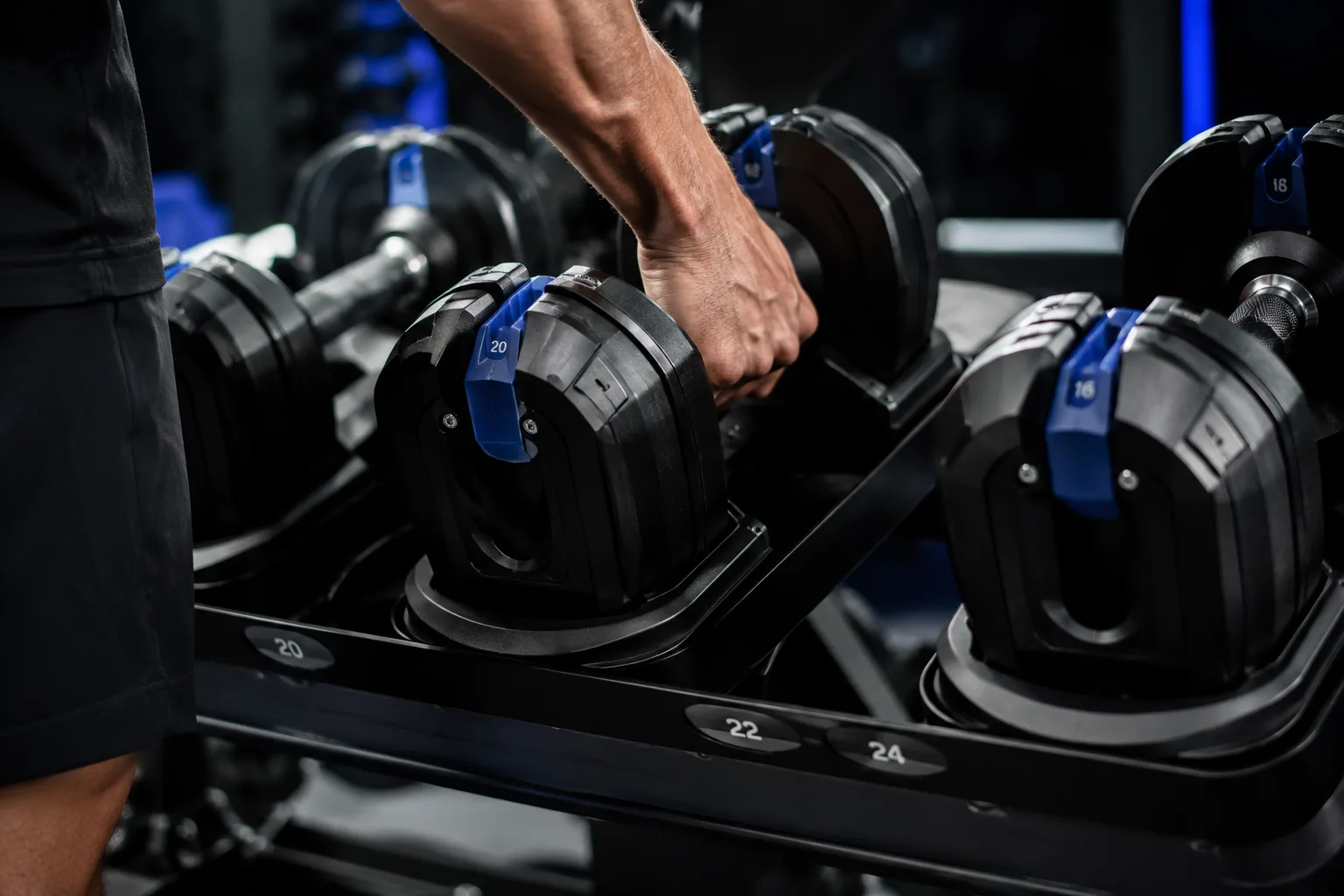
3. Understand movement patterns before collecting exercises
Online workouts can make strength training look like an endless list of unrelated movements. A simpler way to organize the learning is to think about basic actions: standing up, pushing, pulling, bending at the hips, stepping, and carrying. These categories help explain why an exercise is in a program.
A squat-related movement involves bending through the lower body and standing again. For a beginner, a coach might use a suitable sit-to-stand or another supported variation. The height, support, and range can change the difficulty. The goal is a controlled movement that fits the person, not copying the deepest squat in a video.
A pushing movement might use a wall, a raised surface, a machine, or free weights. The setup determines what you need to control and how the difficulty is adjusted. A beginner does not have to start with floor push-ups to earn the right to use another option.
A pulling movement might involve a supported row or cable machine. Ask how to adjust the seat and handles, where to position yourself, and what the movement should look like. Do not assume the machine is set correctly because the previous person used it that way.
A hip-hinge pattern involves moving through the hips while controlling the trunk position. It can take practice to understand. A coach may begin with an unloaded drill before introducing resistance. The point is not to reach the floor at any cost. It is to learn a suitable movement within a manageable range.
Stepping and carrying can appear in a program when they suit the person and purpose. A low stable step with support differs from a tall box. A short light carry on a clear path differs from a heavy challenge in a crowded gym. Setup and context matter as much as the exercise name.
Healthdirect describes strength training as something that can use body weight, free weights, bands, or machines, and emphasizes learning correct equipment use. The equipment is a means of applying resistance, not a ranking of how serious the exercise is. Read its beginner overview.
Ask your coach to explain the purpose of each exercise in one sentence. That explanation can help you recognize a suitable alternative later. If a machine is occupied, you can understand why another familiar option might be used rather than feeling that the entire workout has become impossible.
Do not collect more exercises than you can learn comfortably. Repeating a small selection gives you a chance to understand setup and compare sessions. New movements can be introduced when they serve a purpose. Constant novelty is not required for a program to be thoughtful.
Your first program should feel like a map with a few clear landmarks. Once those landmarks are familiar, it becomes easier to navigate new choices without feeling lost.
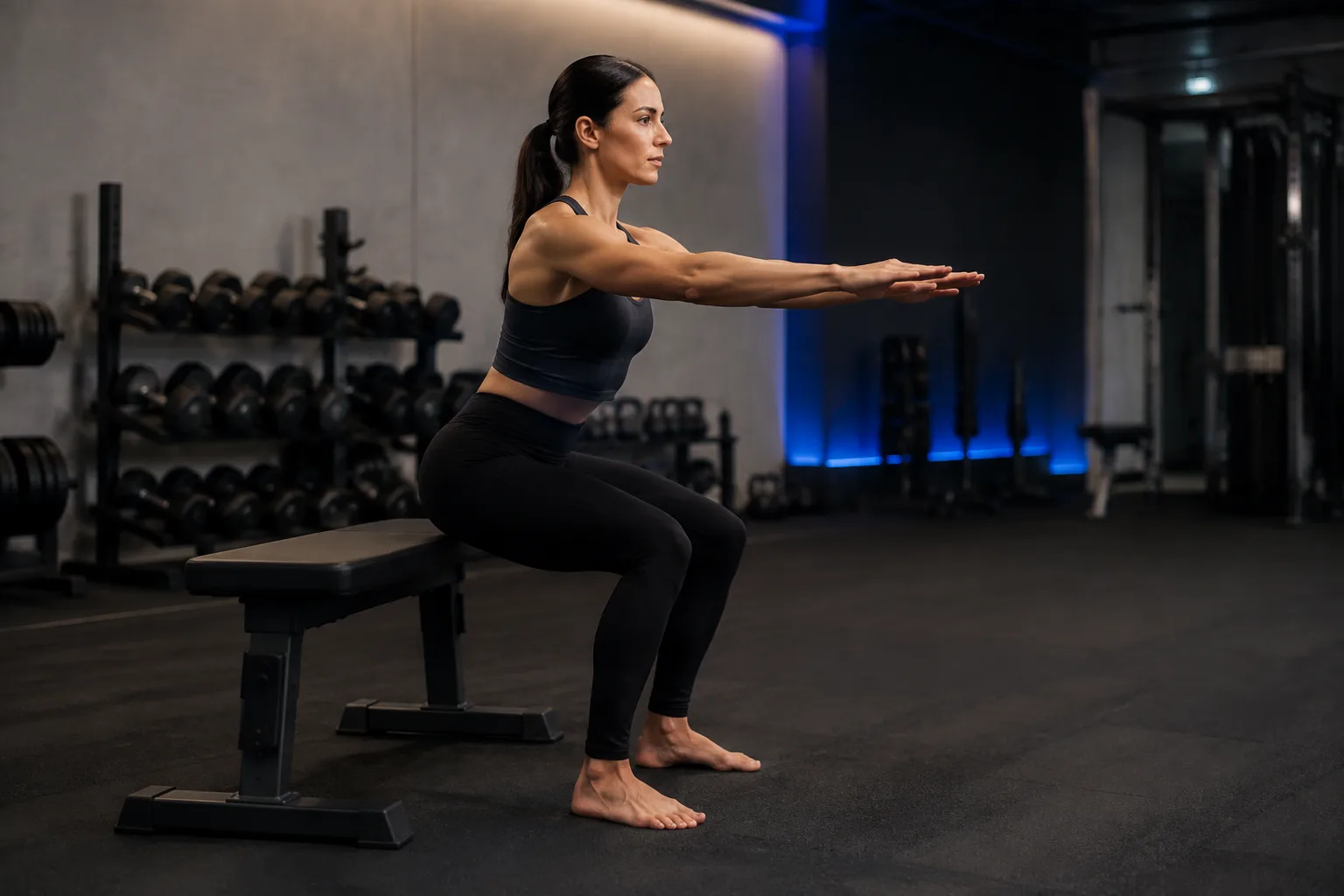
4. Walk through an ordinary first session
Knowing the sequence of a first visit can reduce uncertainty. You arrive, talk through the plan, prepare, practice a few movements, and finish with a short review. The details differ between studios and people, but the experience should become understandable rather than mysterious.
At the beginning, tell the coach how you feel and mention anything relevant that has changed since the initial conversation. Ask where to put your belongings and what equipment you will use. Small practical questions are worth resolving before you are trying to follow exercise instructions.
The coach may demonstrate a movement before asking you to try it. Watch the setup as well as the movement itself. Notice how the equipment is adjusted, how the starting position is found, and how the exercise is finished. Getting into and out of position is part of learning.
When you practice, focus on one or two instructions at a time. If several cues arrive at once, ask which one matters most for the next attempt. You can refine the movement gradually. A first repetition does not need to contain every detail you will eventually learn.
Use suitable resistance while the movement is unfamiliar. Ask how the coach chose the starting level and what they will look for before changing it. You should not feel pressured to lift a particular number to prove that you are trying.
Between sets, use the rest time to recover and clarify the next step. You might ask whether the setup should stay the same, what to record, or what the coach noticed. A clear answer can make the next attempt more focused.
The session may contain fewer exercises than you expected. That can be appropriate when time is being used for instruction and observation. Learning two or three movements well can be more useful than rushing through a long list you will not remember later.
At the end, ask for a brief summary. Which movements did you practice? What should you expect next time? Is any independent activity recommended, and do you understand it? If you are unsure about a setup, do not assume you should recreate it alone before asking.
A first-session checklist can be simple:
- I understand the purpose of the session.
- I know the equipment settings or where they are recorded.
- I know what should end a set.
- I can ask for clarification or a different approach.
- I know the next appointment or agreed next step.
Afterward, note one useful thing you learned and one question that remains. This makes the experience concrete. You may not remember every cue, but you can carry the important information into the next visit.
The first session is an introduction to a repeatable process. Its value does not depend on producing extreme soreness or demonstrating everything you might eventually be capable of doing.
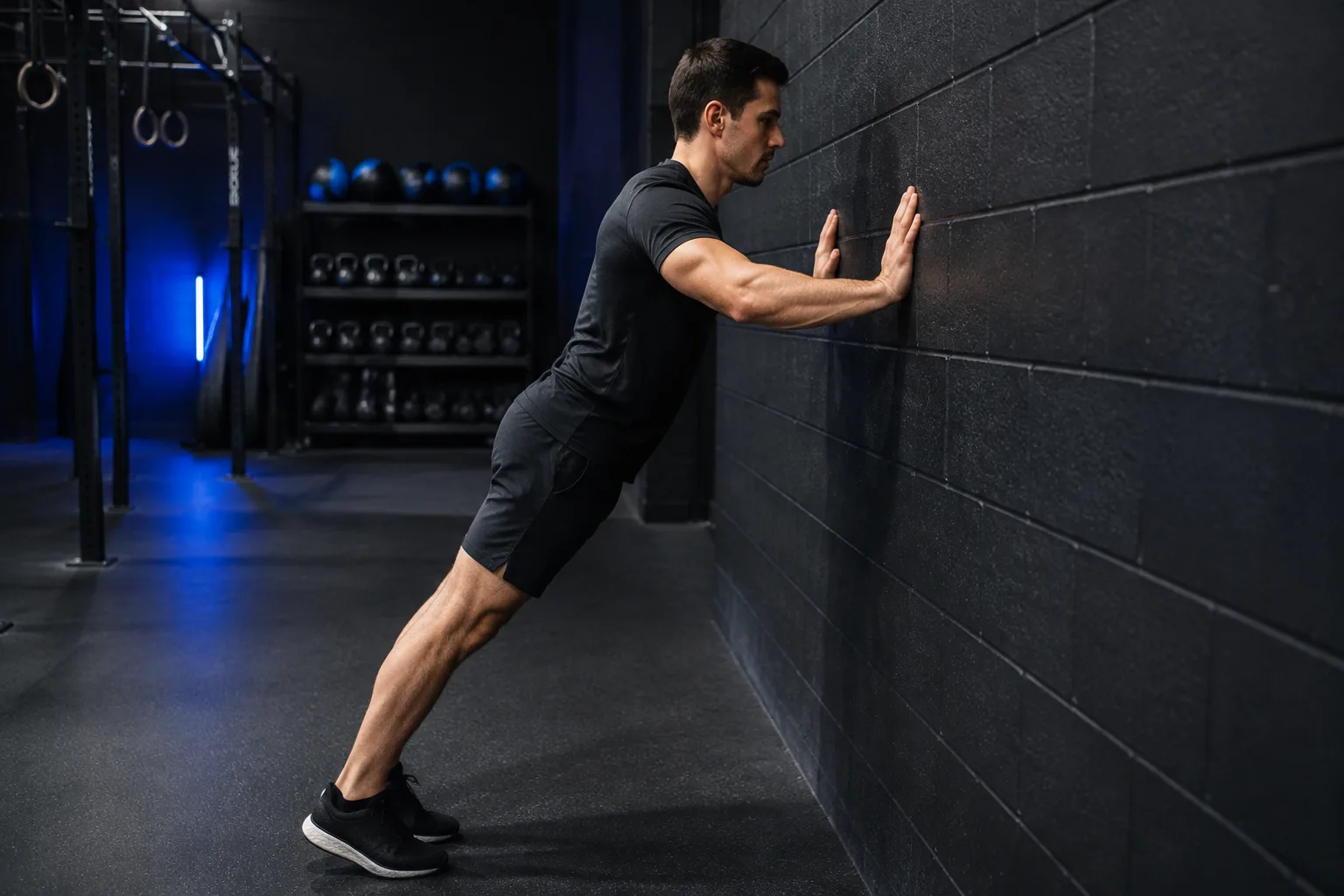
5. Learn how to choose a manageable starting difficulty
The right starting difficulty is not determined by age, appearance, or what another person is lifting. It depends on the exercise, your current ability, the planned work, and your control of the movement. A coach should help you find a level that makes the intended practice possible.
Begin by understanding the setup without unnecessary load. If the movement is unfamiliar, practice can be useful before difficulty increases. This gives the coach a chance to see how you move and gives you a chance to understand the instructions.
When resistance is added, report how it feels. Is the movement controlled? Can you follow the cues? Does the last repetition resemble the first closely enough for the purpose of the set? Your coach can combine that feedback with observation to decide what to change.
Do not treat a heavier number as automatically better. If increasing the load makes the movement confusing or causes you to rush, the change may not serve the session’s purpose. A manageable starting level creates information that can guide later progression.
Some programs use an estimate of effort, such as how many additional controlled repetitions you think you could complete. Ask the coach to teach that estimate if it is part of your plan. You do not need perfect accuracy immediately. The conversation matters more than using the terminology confidently before you understand it.
A fictional example might involve a client learning a seated row. The first attempt is deliberately easy so they can find the setup. The coach then selects a slightly more demanding level and observes the movement. The decision comes from the person’s response rather than a predetermined number in a generic article.
Remember that different machines can display different numbers for work that feels similar. Do not compare your machine setting with a friend’s setting at another gym as though the labels were a universal measure. Record the equipment and setup so your own comparisons remain useful.
Also expect ordinary variation between days. Poor sleep, a rushed arrival, or unfamiliar equipment can change the experience. Tell the coach rather than forcing the planned resistance to preserve a number in the log. A suitable adjustment can support continuity without pretending every session occurs under identical conditions.
Stop for pain or concerning symptoms and seek appropriate guidance. A difficult set and an inappropriate symptom are not the same thing. If you are unsure how to interpret what you feel, ask rather than assuming discomfort is proof that the exercise is working.
Your starting level tells you where to begin today, even if it differs from what you lifted years ago or what someone beside you is using. Record the exercises, settings, and support you need. You and your coach can use that starting point to decide what to practice next and when a change makes sense.
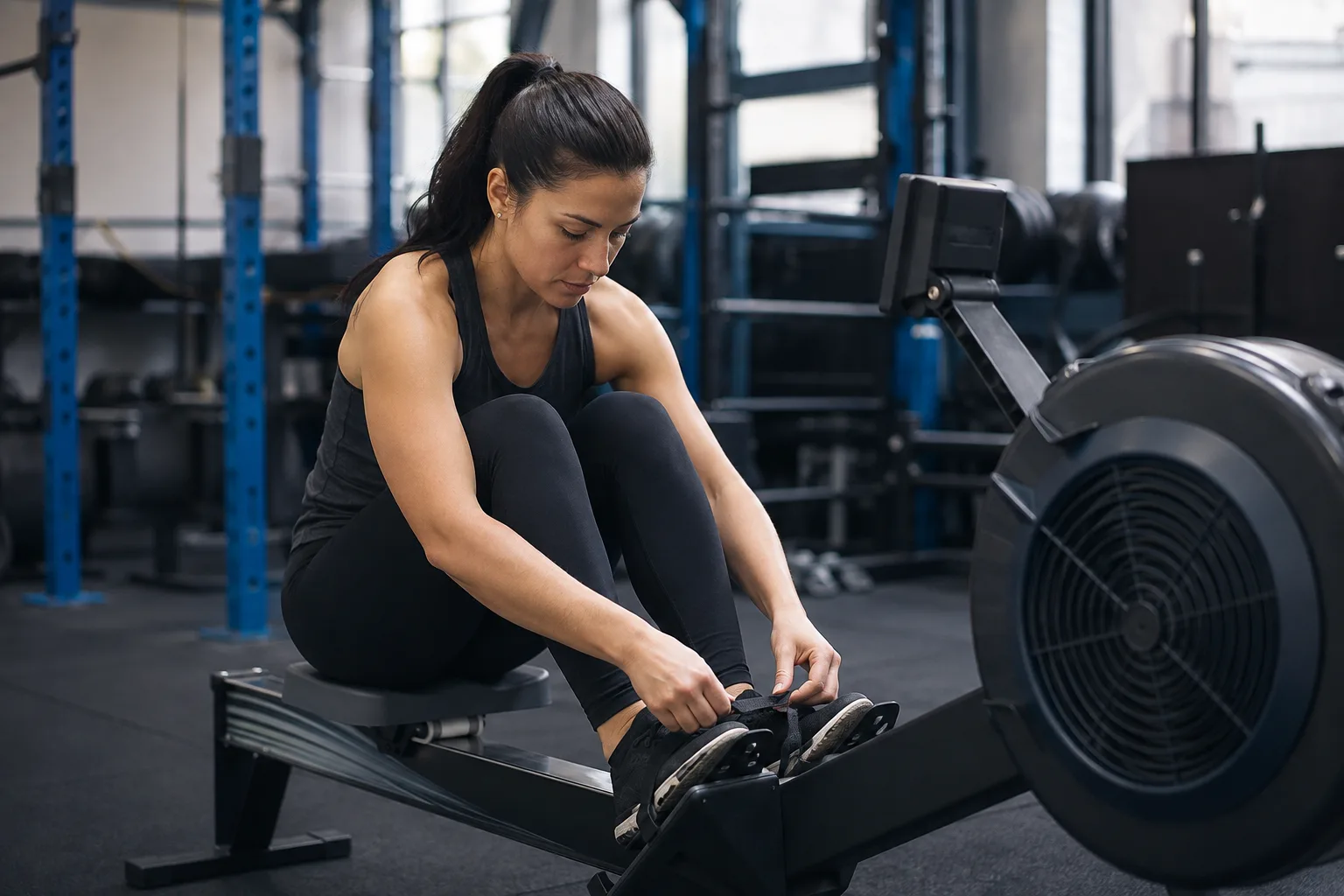
6. Organize the first month around learning milestones
A month-long framework can help you understand the sequence of learning without pretending everyone should progress on the same timetable. Think of the weeks as themes rather than deadlines. If a movement needs more practice, the plan can spend longer there.
The first week can focus on orientation and suitable starting exercises. Learn the equipment, the session structure, and the basic instructions. Record settings and ask questions. The aim is to make the next visit less unfamiliar.
The second week can emphasize repetition. Use enough of the same routine to recognize the setup and sequence. Notice which instructions you remember and which still need clarification. The coach can simplify cues or change an exercise if the current version is not helping you learn.
The third week can begin a more deliberate conversation about progression where appropriate. Perhaps an exercise has become easier to set up and control. The coach might adjust one variable while keeping the rest familiar. There is no requirement to increase every exercise simply because the calendar says week three.
The fourth week can include a review of the routine itself. Did the appointment times work? Did the travel fit your day? Do you understand the exercises? Are you receiving the support you expected? What should change for the next month?
Swipe to explore the table ↔
| Learning phase | Main focus | Evidence worth noticing |
|---|---|---|
| First visits | Orientation and setup | You know where and how to begin |
| Repeated practice | Familiarity and control | You need fewer reminders |
| Appropriate adjustment | A clear next challenge | Changes have an explained reason |
| Review | Fit and continuity | The schedule and program make sense |
This framework avoids a common beginner trap: changing the entire workout before you have enough experience to understand it. Repetition gives you information. It also reduces the number of decisions you must make each time you enter the gym.
If you miss a week, resume with guidance rather than trying to compress the missed learning into one appointment. The calendar is a planning tool, not a scorecard. A coach can help decide whether to repeat familiar work or adjust the return.
If you are learning independently, use the same principle of gradual familiarity and seek instruction for uncertain movements. Do not treat a saved workout as sufficient guidance for equipment you do not understand. The written sequence cannot observe your setup or answer a question in real time.
At the end of the month, write a short summary in your own words. What can you now do or understand that felt unclear at the start? Which part of the routine still needs support? Those answers can help shape a more useful next phase than simply asking for a harder workout.

7. Make rest and recovery part of the plan
Beginners sometimes assume that being serious means doing more whenever possible. A better starting question is whether the amount of work allows you to practice well and return consistently. Rest within the session and recovery between sessions belong in that conversation.
During a workout, rest helps you prepare for the next attempt. You may need time to recover your breathing, reset the equipment, or understand a cue. Removing every pause can make the session harder to follow without improving the learning.
Between sessions, pay attention to how you feel and communicate meaningful changes. Tell the coach if discomfort is unusual, persistent, or worsening. Share relevant differences in sleep, stress, or other activity when they affect the session. The plan should respond to the person who arrives that day.
The National Institute on Aging advises allowing recovery between sessions working the same muscle groups in its general guidance for older adults. More broadly, a sensible schedule gives room to consider the total workload rather than treating each session as isolated. Read the NIA activity guidance.
Do not use soreness as the only measure of whether training was effective. It does not tell you everything about the suitability of the program or the quality of instruction. A session can be useful because you practiced a movement clearly and completed an appropriate amount of work.
Keep recovery habits practical. Consider whether the schedule allows reasonable sleep opportunities, regular meals, and a manageable amount of activity. You do not need to purchase a collection of recovery devices before learning a basic routine. Start by understanding the workload and the ordinary habits around it.
If you have a demanding physical hobby or job, tell the coach. Strength sessions occur alongside the rest of your activity. A week with unusually heavy work or a long event may need a different approach from a typical week.
If you feel unwell, do not assume attendance is always the right decision. Discuss the situation with the appropriate professional and follow relevant health guidance. A sustainable routine includes decisions about when to adjust, postpone, or seek help.
Your log can include a short note about recovery when useful. “Sleep was disrupted” or “still uncomfortable from the prior session” may be enough to start a conversation. The aim is to provide context, not collect every possible metric about your body.
Think of rest as supporting the next useful practice. It is not a reward you earn only after exhausting yourself. A beginner’s plan should make it possible to learn, recover, and return with enough confidence to keep building the routine.

8. Keep food and everyday habits understandable
Starting training can create pressure to change everything at once. You may suddenly feel that you need a new diet, expensive supplements, a complicated meal schedule, and a complete lifestyle overhaul. That pressure can make an already unfamiliar routine harder to use.
Begin with the practical question of whether your usual day supports the appointment. Do you arrive very hungry because the session replaces a meal? Are you rushing straight from work without time to prepare? Do you struggle to think of a convenient meal afterward? These are concrete problems that can be discussed without redesigning your entire diet.
A balanced eating pattern can include foods you already enjoy and can obtain reliably. If you want individualized nutrition targets, work with a suitably qualified professional who can consider your needs. A general exercise article cannot account for medical conditions, dietary restrictions, or personal history.
The National Institute of Diabetes and Digestive and Kidney Diseases emphasizes an eating pattern that can be maintained over time alongside suitable physical activity. That long-term perspective is more useful than assuming a brief restrictive challenge is required to begin exercising. Read its eating and activity guidance.
Choose a few reliable meal options if planning helps. A simple breakfast, a lunch you can assemble on a busy day, and a familiar dinner can reduce decisions. The options should fit your preferences and circumstances rather than imitate a fitness influencer’s routine.
Ask about supplements separately from the training plan. Are they optional? Why are they being suggested? Does the person recommending them have an appropriate basis for the advice? Do they have a financial interest in the sale? A purchase should not become an unspoken condition of being considered committed.
Hydration and the training environment also deserve ordinary attention. Keep water available and consider heat when choosing outdoor activity. If you have a medical reason to follow specific fluid guidance, use the advice of your healthcare professional rather than a generic target online.
Outside food, preparation can be simple. Put appointments in the calendar, keep suitable clothing ready, and write the plan somewhere accessible. Solve repeated practical obstacles one at a time. If forgetting a towel is not actually preventing attendance, do not turn it into a major habit project.
Avoid labeling a disrupted day as a failure that must be compensated for through exercise. Training is not a punishment for eating or a way to repay an ordinary social occasion. If your relationship with food or exercise feels distressing, seek support from an appropriate qualified professional.
The first month should make the routine clearer. Useful habits support that goal by reducing friction and helping you arrive ready to learn. They do not need to make your life revolve around the gym.

9. Track progress in a way that helps you learn
The simplest training log records what you did and what you need to remember next time. Write the exercise, equipment settings, resistance, and completed work. Add a brief observation when it will help explain the session.
A beginner’s log might include “needed another demonstration,” “seat setting felt right,” or “ask about the alternative next time.” These notes can be as useful as the resistance number. They describe the learning process that allows the program to become more independent and repeatable.
Use consistent names. If you call the same movement three different things, later comparisons become confusing. Ask the coach for the name they use and record it alongside any personal reminder that helps you recognize the equipment.
Compare similar conditions. A number on one machine may not mean the same thing on another. A shorter range or different setup can also change the exercise. The log should describe enough context that a change does not automatically look like a gain or loss in ability.
The ACSM’s 2026 update emphasizes regular resistance training and tailoring the approach to the person’s goals. For a beginner, the practical implication is to establish a routine you can follow before chasing complex methods. Read the ACSM guidance summary.
Progress can appear in several forms. You may attend more consistently, understand the sequence, need fewer setup reminders, or feel more comfortable asking for help. Where appropriate, your coach may also record changes in resistance or completed repetitions. These observations can be discussed together.
Do not compare your first month with someone else’s highlight reel. You do not know their training history, the context of the video, or what happened outside the frame. Your useful comparison is with your own starting point under conditions that make sense.
If tracking becomes stressful, simplify it. Keep the details that help you make decisions and remove the ones that only create pressure. A few clear lines can be more useful than a dashboard full of numbers you do not understand.
At a review, ask what the notes suggest should happen next. Perhaps the routine needs a different appointment time, another demonstration, a more suitable exercise, or a small increase in difficulty. The record becomes valuable because it informs a decision.
Use your log to remember the details that make the next visit easier: the seat setting, the weight you used, or the question you meant to ask. When you look back, you can see what has become familiar and what still needs practice. That is a useful conversation to have with your coach.

10. Choose a next step you understand
By the end of an initial learning period, you should have a clearer idea of what support you need. You may want continued one-on-one instruction, a more independent routine, or help fitting training around changing circumstances. The next step should follow that understanding rather than an assumption that everyone must keep adding more.
If you are considering a trainer, ask how they would structure the beginning. Look for an explanation that connects your experience, goals, and schedule. You should be able to ask about costs, policies, and qualifications without feeling that questions undermine your commitment.
A useful consultation can include a discussion of session length. A thirty-minute format can suit focused work, while a longer appointment may provide more time for instruction or rest. Ask what each would look like for you rather than deciding from duration alone.
Review the total cost and package terms before purchasing. Session counts, expiration, cancellation notice, and coach availability can affect whether the arrangement fits your life. Our Boca Raton cost guide provides a practical comparison framework.
At Elite Fitness, a complimentary assessment is a place to talk about what you want from training and what feels unfamiliar. Bring your goals, a realistic weekly schedule, and the questions you would like a coach to answer. You can also meet the team before reaching out, so you know who you may be learning with.
Common beginner questions
Do I need to know how to use the machines first? No. Ask for instruction and make equipment setup part of the learning. Do not assume settings are correct because another person used them before you.
Should I train every day to improve faster? Your schedule should reflect the program, your recovery, and your individual needs. More frequent attendance is not automatically better. Ask a qualified professional to help organize an appropriate week.
What if an exercise feels awkward? Tell the coach what is difficult. The answer may involve another demonstration, a different setup, or an alternative exercise. Awkwardness is information to work with, not something to hide.
What if I am much weaker than I expected? A starting level is a baseline, not a verdict. Use an appropriate difficulty and focus on learning. Comparisons with an earlier version of yourself or another person may not help choose today’s session.
Do I need special supplements? Do not assume supplements are necessary because you are beginning training. Discuss specific nutrition questions with an appropriately qualified professional and keep optional purchases separate from the exercise plan.
How will I know the program is working? Review the goals you set, your attendance, your understanding of the exercises, and comparable training notes. A coach can help interpret those observations and choose the next adjustment.
What if I miss a session? Use the agreed rescheduling or return plan. Address the practical reason for the interruption and continue appropriately. There is no need to turn one missed appointment into a judgment about whether you are the kind of person who can train.
Begin with a session you understand, a schedule you can use, and enough support to ask questions. Those are the foundations of a first month that leads somewhere useful.
A first-week conversation you can actually use
Before your first appointment, write a short description of a normal weekday. Include when you leave home, whether you sit for long periods, and what usually competes with your evening plans. This gives a coach something concrete to work with. Saying that you want to become more consistent is useful, but identifying an appointment you can reach without rushing is more actionable.
Next, choose one movement you would like to understand better. You might want to learn how to set up a rowing machine, hold a dumbbell comfortably, or get in and out of a squat position with control. Ask for enough explanation that you could describe the setup back in your own words. You do not need to memorize a long exercise list during the first week.
After training, record three observations: what felt clear, what felt unfamiliar, and what you want to ask next time. Keep those notes separate from judgments about whether you were impressive or worked hard enough. A beginner session can be productive because you learned where to place your feet or recognized when a load was too demanding.
Before your next visit, check how the appointment fit into your day. Did you have enough time to travel, change, and get to your next commitment? Were you comfortable in your clothing? Bring anything that made the visit difficult to your coach's attention while it is fresh. For the next session, aim to know where you will start and which question you want answered. Your first week can be about finding your feet in the gym and making room for the stronger, more confident life you want to work toward.
Common questions
Do beginners need heavy weights?
No. Begin with resistance that lets you learn setup and perform controlled repetitions. Your coach can help you increase difficulty when appropriate.
What should I record after a workout?
Note the exercise variation, resistance, repetitions, and how the session felt. Consistent notes make later sessions easier to compare.
Turn what you’ve learned into your next step.
You don’t have to put the whole plan together alone. Bring your questions and the change you want to make to a complimentary assessment. We’ll talk through the training, support, and schedule that could work for you.
Book your complimentary assessmentKeep exploring
A 30-Minute Strength Workout That Fits a Busy Week ↗
How a Professional Personal Trainer Designs a Custom Workout Plan ↗